
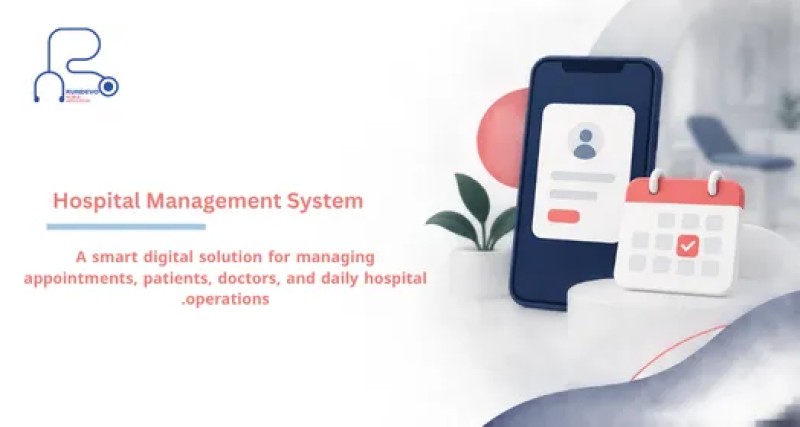
Hospital Management System for Modern Healthcare Facilities
Managing a modern healthcare facility requires more than providing medical care. Hospitals handle appointments, patient records, doctors, departments, staff, and administrative tasks every day. A Hospital Management System brings these processes into a connected digital environment, making information easier to access and daily workflows more organized. For healthcare facilities in Saudi Arabia, the right hospital management software can help reduce manual work, improve coordination, and give management a clearer view of operations. Choosing a suitable system also means considering security, scalability, usability, and the facility’s specific requirements.
What Is a Hospital Management System?
A Hospital Management System is a digital solution that helps healthcare facilities organize their administrative and operational activities from one place.
Instead of depending on separate spreadsheets, paper files, or disconnected tools, staff can use a centralized system to manage important information and everyday workflows.
Depending on the platform, a hospital management system may include appointment scheduling, patient information, doctor schedules, medical records, department coordination, and administrative functions.
The main goal is to create a more connected workflow. When information is organized within one digital environment, authorized staff can access what they need more efficiently and coordinate tasks with fewer manual steps.
Key Features of Hospital Management Software
The features available in hospital management software vary depending on the platform and the size of the healthcare facility.
However, the most useful systems focus on practical workflows that staff and administrators handle every day.
Common features can include:
- Appointment and schedule management
- Patient information management
- Doctor and staff scheduling
- Medical record organization
- Department coordination
- Administrative workflows
- Operational reports
- Patient communication
- Role-based access
A good hospital management solution should not simply offer a long list of features. The important question is whether those features work together to make hospital operations easier, more organized, and easier to monitor.
How a Hospital Management System Improves Hospital Operations
Hospitals manage large amounts of information across different departments, which can make daily coordination challenging.
When information is spread across separate systems or manual processes, staff may spend unnecessary time checking records, confirming appointments, or communicating updates.
A hospital management system can bring these workflows together within a more organized digital environment.
This can help teams access relevant information faster, coordinate schedules, and reduce repetitive administrative tasks. It can also give managers better visibility into daily activity, helping them identify workflow issues and make more informed operational decisions.
Managing Patients, Doctors, and Medical Records
Patient management is one of the most important parts of running a healthcare facility.
A digital system can organize patient information and connect it with appointments, doctors, and other relevant workflows. This creates a clearer process for staff while reducing dependence on scattered records.
Doctor scheduling is another area where organization matters. Hospitals may have multiple doctors working across different departments, shifts, and locations.
Using medical hospital management software can help teams coordinate availability and schedules more efficiently, reducing the possibility of conflicting appointments.
Medical records also require careful handling. The selected platform should provide appropriate access controls and support secure organization of patient information according to the facility's requirements.
Hospital Administration Software and Its Main Functions
Hospital administration involves many processes that support the facility behind the scenes.
These can include organizing schedules, coordinating departments, managing operational information, and monitoring daily activities.
Hospital administration software helps bring these processes into a more structured digital workflow.
Instead of handling administrative tasks through separate tools, staff can work within a connected system. This can reduce repetitive work and make information easier for authorized users to access.
For hospital administrators, a centralized hospital administration system can also provide greater visibility into operational activity.
This supports both everyday organization and longer-term planning, especially as the facility grows and its workflows become more complex.
Hospital Information System vs. Hospital Management System
The terms hospital information system and hospital management system can sometimes describe overlapping technologies, but their focus may differ depending on the platform.
A hospital information system generally focuses on collecting, storing, and sharing healthcare-related information across the organization.
A hospital management system may focus more broadly on operational and administrative workflows, including appointments, schedules, departments, and day-to-day management.
There can be significant overlap between the two. Some modern platforms combine information management with administrative and operational functions.
For this reason, hospitals should look beyond the product name when comparing solutions. The actual features, security controls, integrations, user permissions, and supported workflows are more important when deciding which system fits the facility.
Healthcare Management Software for Saudi Hospitals
Healthcare facilities in Saudi Arabia can benefit from digital systems that help organize information and connect daily operational processes.
Healthcare management software can support workflows involving appointments, patients, doctors, departments, and administrative teams within a more structured environment.
However, there is no single solution that fits every healthcare facility.
A smaller facility may have different needs from a large hospital with several specialties, departments, or branches. The system should therefore match the organization's size, workflow, and future plans.
When evaluating a healthcare management system, hospitals should consider usability, scalability, data security, user permissions, technical support, and how easily the platform can adapt to their operational requirements.
Hospital Management Platform for Multiple Departments and Branches
Managing multiple departments or branches adds another layer of complexity to hospital operations.
Different locations may have different doctors, schedules, services, and workflows, while management still needs a clear view of overall activity.
A hospital management platform can help centralize these processes while allowing teams to manage information according to their roles.
This can be particularly useful for healthcare organizations that are expanding or operating across multiple locations.
Rundevo can support organized appointment and scheduling workflows through a digital platform, helping healthcare organizations manage bookings and availability more efficiently.
For facilities with multiple teams or locations, having a more connected approach to appointment management can make coordination easier while giving management better visibility into daily booking activity.
How to Choose the Right Hospital Management Solution
Choosing the right hospital management solution should begin with the facility's actual needs, rather than simply comparing the number of features offered by different platforms.
Start by identifying the processes that need the most improvement. These might include appointment scheduling, patient information, doctor availability, department coordination, or administrative reporting.
Once the main challenges are clear, compare systems based on usability, security, scalability, technical support, integrations, and the workflows they can support.
It is also important to consider how easily staff can adopt the system. A platform may have advanced capabilities, but if it is difficult to use, it may not deliver the expected operational benefits.
Finally, think about future growth. A reliable hospital software solution should be able to support the facility as it adds doctors, departments, services, or branches.
Frequently Asked Questions
What is a hospital management system?
A hospital management system is a digital solution that helps healthcare facilities organize administrative and operational processes such as appointments, patient information, doctor schedules, departments, and medical records.
What is the best hospital management software?
The best hospital management software depends on the facility's size, workflows, departments, security requirements, and operational goals.
Hospitals should compare available systems based on the features they actually need and how easily staff can use them.
What features should a hospital management system have?
Important features can include appointment management, patient information, doctor scheduling, medical record organization, department coordination, reporting, communication, and role-based access.
The right combination depends on the facility's specific requirements.
How does hospital management software improve hospital operations?
Hospital management software can centralize information, organize workflows, reduce repetitive manual tasks, and improve coordination between teams.
It can also give administrators better visibility into daily activities and operational performance.
What is the difference between a hospital management system and a hospital information system?
A hospital information system generally focuses on collecting, storing, and sharing healthcare information.
A hospital management system may have a broader focus on administrative and operational workflows. However, many modern platforms combine functions from both areas.
Can hospital management software manage patient records?
Yes, some hospital management platforms include tools for organizing patient records and related information.
Before choosing a system, healthcare facilities should evaluate its security controls, user permissions, and data management capabilities.
Can a hospital management system manage multiple departments?
Yes. Depending on the platform, a hospital management system can support multiple departments, doctors, schedules, and workflows within a centralized digital environment.
This can help larger facilities improve coordination while maintaining appropriate access for different teams.
How much does hospital management software cost?
The cost of hospital management software can vary depending on factors such as the number of users, departments, branches, features, integrations, implementation requirements, and technical support.
Healthcare facilities should compare the overall capabilities and value of a solution rather than focusing only on its initial cost.
Is hospital management software suitable for hospitals in Saudi Arabia?
Yes, hospital management software can be suitable for healthcare facilities in Saudi Arabia when the platform matches their operational needs, scalability requirements, security considerations, and workflows.
Facilities should evaluate each solution carefully to ensure it can support their current operations and future growth.